
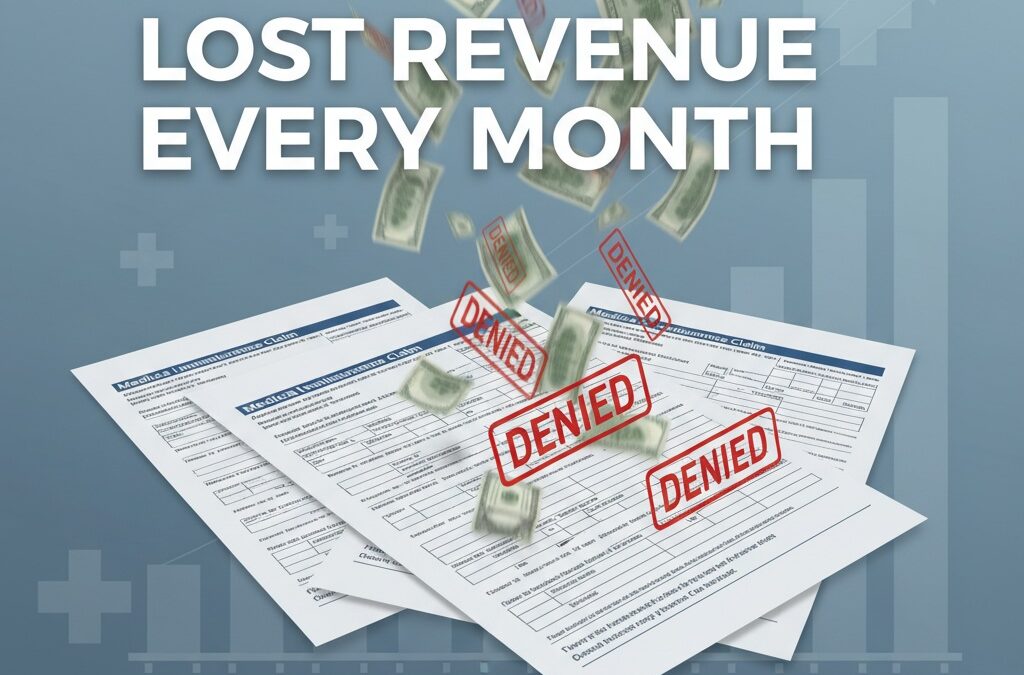
For healthcare providers, each unpaid claim signifies something more than just a headache; it reflects on cash flow, profitability, and financial viability of the practice. Medical claims recovery solutions offer methods for locating unpaid, denied, underpaid, and aging claims and enable healthcare providers to recover income that would otherwise simply be written-off.Working with claim recovery in-house can turn out complicated. Billing teams need to oversee the responses of payers, investigate the reasons for denial, remedy payment errors, and appeal bills. Without regular follow-ups, important payments can remain where they do not belong — in accounts receivables.
In this regard, Total Medx can help. Its approach to revenue cycle management combines claims resolution along with denial management, A/R recovery services, billing, and technology for healthcare organizations to consolidate income and stabilize revenue flow.
What are the Medical Claims Recovery Services?
Medical claims recovery services deal with revenue recovery from claims that did not get paid on time or in the appropriate manner. The claims could have been denied, underpaid, pending, unresolved, or rejected due to administrative/ billing problems.Some of the common reasons for which claims get filed for recovery include:- Wrong or incomplete patient information
– Coding
The Importance of Claims Recovery in Healthcare Practices
Claims that remain unresolved can increase a practice’s AR to a significant amount. As the claims age, it gets increasingly difficult to recover the amount owed due to deadlines related to filing, rules for documentation, or payer policies. A claims recovery strategy allows practices to: Recover the lost revenue: By understanding the claims that are unpaid and underpaid, opportunities are available to collect amounts that might have gone unclaimed. Decrease the age of accounts receivable: Regular follow-ups with the claims help in solving them more quickly. Identifying recurring denials: Moving away from looking at claims individually can help in detecting the underlying problems with coding, authorization, eligibility, or payor requirements.Avoid unnecessary write-offs: Bad debts should not be regarded as impossible to collect claims.
Enhance revenue cycle performance: Better claims management increases the effectiveness of the entire billing process. Total Medx strongly emphasizes A/R collection and claims resolution as part of its services on revenue cycle optimization.
Ways in which Total Medx assists in recovering lost amounts
Total Medx applies a systematic approach to the recovery of medical claims instead of resubmitting all denied claims. Thus, its
1. Analyzing Denials and Claims
The first step is understanding why the claim was not paid. Total Medx evaluates pending claims and classifies denials by the following categories: claims payer, medical procedure, coding, eligibility, or authorization. This enables the billing department to identify which claims to give priority to, as well as what recovery measures to take.
2. Root Cause Analysis
The essence is that although recovery of a single claim is important, it is even more crucial to avoid the same situation taking place in the future. Total Medx studies the patterns of denials in order to detect major issues with billing, coding, and reporting procedures, enabling the medical facility to minimize the number of recurring denials occurring in the future.
3. Experiencing Claims Correction, Re-billing, and Appealing
A claim may require amendments or some sort of formal appeal, depending on the reason for denial.Total Medx takes necessary steps to find the most appropriate way to solve any issues connected with claims.
4. Actively Following Up with Insurance Agency
Claim submission or appeal does not mean that the claim is forgotten about.This is due to the fact that payers might need different types of information, corrections, documentation.
5. Reporting and Prevention
An effective claim recovery program should do more than facilitate the collection of funds; the goal of such a program should be to ensure practice owners have a thorough understanding of the source and reasons for revenue leakage.Careful review of denial trends and recovery performance will allow practices to implement worthwhile changes in their billing and revenue cycle processes.
Why Is It Necessary to Outsource Medical Claims Recovery?
For many businesses, dealing with all the aging claims internally adds to already existing pressure on the administrative staff.Managing claims internally requires a considerable amount of time from employees, who would otherwise focus on performing other duties related to the billing process.Outsourcing medical claims recovery allows practices to rely on specialists in billing and A/R support without investing time and money into creating a whole new facility.Total Medx states that its A/R recovery program is based on a pay-for-performance model, which means that payment for the service is tied to the collected amount of money- the professional completes all the follow-ups concerning denial recovery on behalf of the practice.
Recover More. Cut A/R. Strengthen the Revenue Cycle.
FAQs
1. What are medical claims recovery services?
Medical claims recovery services help healthcare providers recover revenue from unpaid, denied, underpaid, rejected, or aging insurance claims. Services may include claim review, denial analysis, corrections, appeals, payer follow-up, and A/R management.
2. How can Total Medx help recover denied medical claims?
Total Medx reviews denied claims, identifies the underlying denial reason, performs root-cause analysis, supports rebilling and appeals, follows up with insurance companies, and provides reporting to help prevent recurring claim problems.